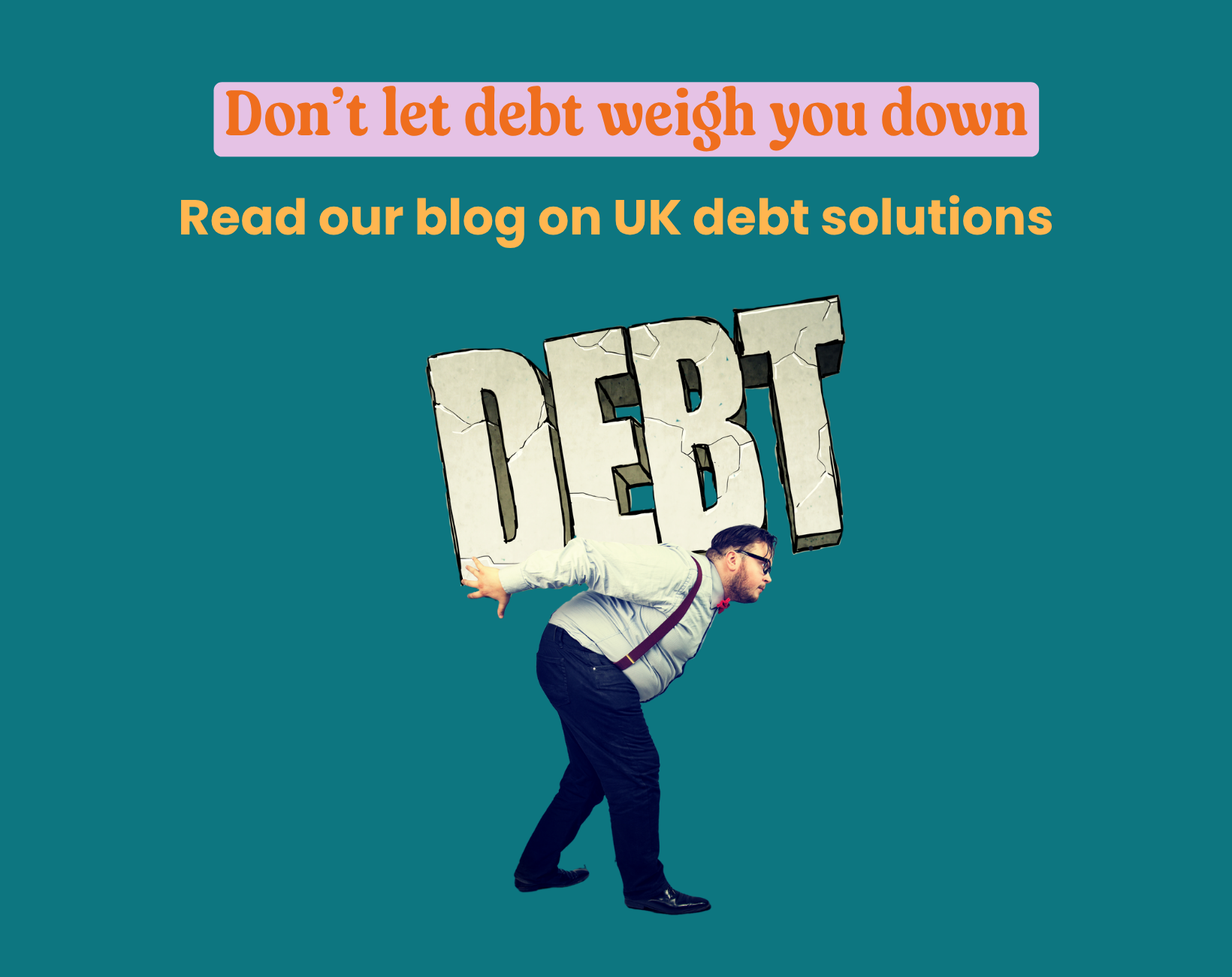
Understanding UK debt solutions: a guide for members
If you are struggling with debt, you’re not alone, and you’re not without options. Across the UK, there are several formal debt solutions designed to help people regain control of their finances. They each work differently and choosing the right one depends on your personal circumstances. That’s why we have partnered up with our local Citizens Advice to bring you this information about when you should consider each option.
Reaching out for help is always the best first step.
Acting now, rather than later can prevent problems from growing and help you protect your essential bills, whether that’s:
- talking to your credit union
- a free debt adviser
- the people you owe money to
- a trusted organisation like Citizens Advice
Below is a clear overview of the main debt solutions used in England and Wales:
In each section, we will explain:
- why you might use them
- what happens once you enter the solution
- the benefits, possible solutions
- what life looks like afterwards
Get your life back on track and feel more in control with a debt solution is the right option for you.
Debt Management Plan (DMP)
A Debt Management Plan is an informal agreement between you and your creditors to repay your debts at a rate you can afford.
When is a DMP used?
A debt management plan is suitable when:
- You have some spare income available each month, but not enough to meet your current payments
- You need interest and charges to be frozen
- Your situation is likely to improve over time
Although the reason may vary, you need to find the right support and tools to help you regain a sense of control.
What happens during a DMP?
You will be required to submit an income and expenditure (spending) budget to work out your monthly affordability. This can be done by yourself, or by a debt charity. This will then be negotiated with your creditors to reduce payments and freeze interest.
If you use a debt management charity or company to do this you will make one monthly payment, which is split between your creditors.
Benefits of a DMP
As it is an informal agreement (not legally binding), the payments can be flexible and can go up and down depending on your circumstances. You are also able to keep your assets, such as your home, car, and savings. There is no long-term public record on your credit file. It may also stop creditors from sending you letters and calling you.
Consequences of a DMP
As a debt management plan is an informal agreement, they are not legally binding, and a creditor can refuse to agree to it. Your debts may take longer for you to clear them, as you are paying a reduced amount. You will also see missed payments on your credit file.
Once your plan ends
Once you have repaid your debts, there are no legal consequences to using a DMP. You will need to set a fresh and affordable budget and ensure you are paying essential bills such as rent/mortgage, council tax, and utilities. These are always treated as priority bills and must be paid throughout the DMP.
Individual Voluntary Arrangement (IVA)
An IVA is a legally binding agreement between you and your creditors, usually lasting between five and six years. You will use an IVA practitioner for this; there are many companies out there, a quick google search will find hundreds. We recommend seeking impartial advice from CAB or Step Change before signing up with a practitioner. Be careful adding your details to a practitioner website to get information, some will use this to contact you.
When is an IVA used?
An IVA may be right when you:
- Owe at least £8,000 to multiple creditors
- Have a disposable income of £100 and can make monthly payments
- Want protection from creditors
- You own a home that you wish to protect from bankruptcy
You can get an IVA if you owe less than £8,000, but the fees are high, so there may be better options.
What happens during an IVA?
Your insolvency practitioner will set up the IVA and will handle everything with your creditors. You will make one affordable monthly payment, and at the end of the term any remaining debts are written off.
Benefits of an IVA
As this is legally binding, creditors must stick to it. All interest and charges will stop, and any remaining debt is written off at the end of your term. You will avoid bankruptcy and creditors are unable to contact you.
Consequences of an IVA
When you take and IVA, your credit file is affected for six years. You must make regular payments. If you miss payments, your arrangement can fail – this will mean that creditors can chase you for the debt. In some circumstances, you may need to release equity from your home if you own it. There are also strict budgeting rules that apply when you are in an IVA, and these are recorded on a public register. You will likely find it more difficult to secure credit.
Once your IVA is finished
When you finish your IVA, you will be debt free (except for essential bills and any excluded debts like student loans or court fines). You will need to rebuild your credit and maintain your essential bills such as council tax and housing costs. You may find it more difficult to obtain credit or be required to accept a higher interest rate.
Debt relief order (DRO)
A DRO is a low-cost, formal debt solution for people with low income, little or no assets, and debts under £50,000 (limits can change over time). You must use an approved debt adviser to apply for a DRO.
When is a DRO used?
A DRO is suitable when you:
- Have very little spare income
- Rent your home
- Have no significant assets (savings and valuable items worth less than £2,000 and a car worth less than £4,000, if you were to sell it today)
- Have debts which fall under the DRO threshold
What happens during a DRO
Your approved advisor submits your DRO application. If this is granted, you make no payments for 12 months. After the 12 months, the included debts are written off. There are a number of debts that are not included in a DRO, these include:
- student loans
- court fines
- child maintenance
- support arrears
- TV licence arrears
- compensation ordered the personal injury
You should check which of your debts would be covered if you wanted to enter a DRO.
You must continue to pay all ongoing essential bills, such as rent, council tax, and utilities whilst in a DRO.
Benefits of a DRO
A DRO is free to apply for, writes your total debt off after 12 months, and will stop creditor contact.
Consequences of a DRO
There are strict eligibility rules to apply for a DRO. It is recorded on your credit file for six years, you must report any changes in your finances, and you are unable to take up credit over £500 without informing the lender.
After your DRO has ended
Once your DRO has ended, your debts are cleared, but your essential living costs such as rent, council tax, fuel, and food continue as normal. It is recommended you build an emergency fund and improve your credit rating very slowly.
Bankruptcy
Bankruptcy is a formal legal process that clears most types of unsecured debt. It usually lasts 12 months. You can apply for bankruptcy yourself, or an organisation such as Citizens Advice can help you. As with a DRO, some debts are not included in bankruptcy.
When is Bankruptcy used?
Bankruptcy is an appropriate debt solution when:
- You cannot repay your debts in a reasonable time
- You have little or no spare income
- You have few assets
Should only be used when other solutions are unsuitable
What happens during Bankruptcy
When you apply to become bankrupt, you can do so online and there is a fee of £680 (you may be able to get help with this fee from some debt charities). Your assets may be sold to repay creditors, and you could be asked to make monthly payments for up to 3 years if you can afford this. In most cases your debts will be written off after 12 months.
Benefits of Bankruptcy
When you enter bankruptcy, all creditors must stop contacting you. It can give you a fresh start after 12 months and most unsecured debts are included.
Consequences of Bankruptcy
As with the other solutions, this will have an impact on your credit file for a period of six years. You will have restricted access to credit and may find it difficult to apply for credit with lower interest rates. Your name will appear on the public Insolvency Register, a government-maintained list of people who are bankrupt, in a debt relief order or in an IVA.
You will have to sell non-essential assets to help repay your debts, and if you are a homeowner, your loan may be at risk. You will still need to pay your essential debts during this time, such as rent, council tax and utilities.
When Bankruptcy is discharged
Discharged bankruptcy is the official term used to show that your period of being bankrupt has ended. Most of your debts will have been cleared, though you will still have your essential bills to pay. Any bills that were not covered under the bankruptcy must have been paid during and after your bankruptcy is ended. These debts include mortgages (if you are allowed to keep your home), secured loans/charging orders, child maintenance, court fines, and student loans amongst others.
Breathing space
What is breathing space?
Whilst breathing space isn’t a solution, it can provide you time to think about your budget or explore your options with a qualified debt adviser.
A standard breathing space lasts for a period of 60 days and you can only access this option once in the 12 month period. During your own breathing space:
- Most enforcement action is put on hold; this includes enforcement agents (bailiffs) or eviction
- Interest and charges are frozen
- Your creditors aren’t allowed to write to you demanding payment
- you will need to continue paying essential bills like rent, council tax and utilities
Breathing space is free, but it can all be accessed through a debt service like Citizens Advice or Step Change.
Breathing space: things to consider
During your breathing space, you will be expected to work with your debt adviser to find a solution to your debt issues. This might mean changing your spending habits, exploring ways to maximise the money you have coming in or entering one of the solutions discussed above.
If you don’t engage with your adviser, breathing space may be ended early.
Breathing space does not appear on your credit record, but it will not prevent creditors recording missed payments. This may affect your access to low-cost credit for a period of up to 6 years.
Reaching out early matters
Debt problems can feel overwhelming, but there is always a way forward. Before choosing a debt solution, always speak to a free, qualified and impartial debt adviser. They’ll help you understand which solution fits your situation. They’ll also help you avoid unnecessary fees and make a long-term plan to give you stability and peace of mind, as well as protect essential bills
At Beacon Savings & Loans, we’re here to help support you, not judge you, and taking the first step is often the hardest, but also the most important.
If you are facing financial hardship and you are struggling to make your repayments, please reach out to our member solutions team.
We can help if you’re struggling to make repayments, but we can’t give debt advice or tell you what to choose. What we can do is agree a payment plan directly with you.
If you are facing financial hardship and you are struggling to make your repayments, please reach out to our member solutions team